


Delving Into the Details
News & Insights
The Decades of Difference: Why Expertise Is the Ultimate Feature
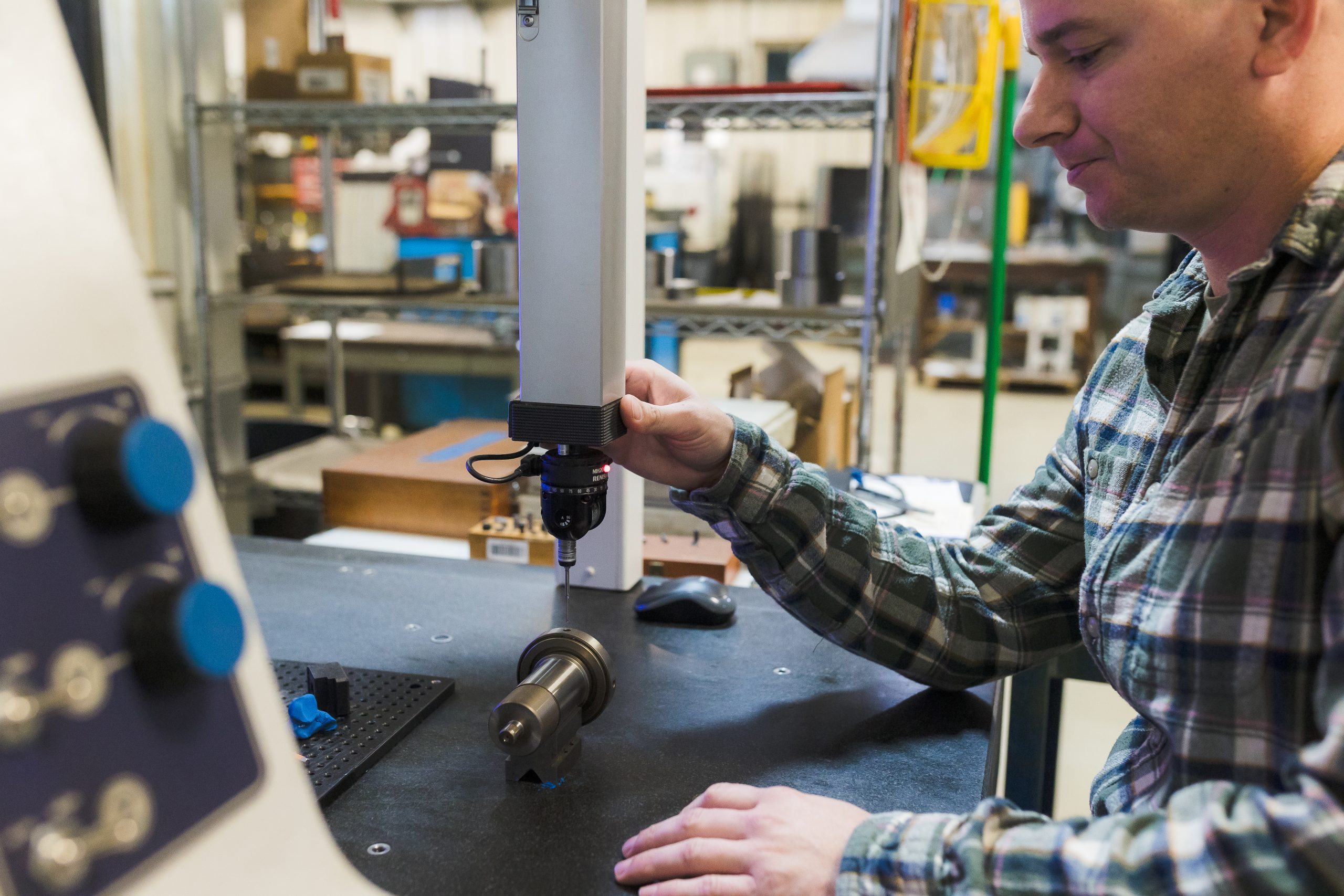
Walk through any production floor and you can usually tell right away which suppliers understand real world manufacturing and which ones only understand catalogs. You see it in how fixtures fit. You see it in how tools last. You see it in the way support shows up when a line is down and people need answers fast. At Veit Tool our advantage has never been a single product. The real advantage comes from the people who have spent decades around machining centers, gear cells, inspection rooms, and line trials. That kind of experience creates better tooling, fewer errors, and support that does not need a script.
In most shops time is the real teacher. You learn what holds up to heavy use. You learn what small detail can sink a new job. You learn what an operator is likely to do with a fixture when things get busy. These lessons shape our work every day. They turn practical knowledge into dependable product quality.
How Experience Shows Up in the Work
People sometimes think expertise is about theory. In manufacturing it shows up in something simpler. Consistency. A fixture that loads the same way every time. A gage that centers itself without fighting the operator. A test stand that still reads clean after thousands of cycles. These things do not happen by accident. They come from understanding how things behave on the floor rather than only on a print.
When a team has spent decades solving problems in automotive gear programs, aerospace components, and industrial drives, you start to see patterns. You also start to see where customers often get stuck. A fixture might look good on paper but be hard to use. A tolerance stack might pass a review but drift once heat treat moves. You learn to look ahead and build around these realities.
That is why experienced toolmakers rarely sit down and design something in isolation. They think about the operator running second shift. They think about the maintenance tech who has to clean the fixture every day. They think about the inspector who will depend on clear readings. Good decisions come from knowing the people as much as the prints.
Why Expertise Protects You From Production Errors
Anyone who has launched a new job knows how fragile the early weeks can be. Small mistakes turn into big delays. If a fixture pulls the part even a little out of position, the whole measurement history gets noisy. If pocket depth is off by a few thousandths, operators start shimming things or holding parts in ways that hide variation. You lose trust in the process before the job even stabilizes.
This is where experience pays for itself. When someone has built hundreds of fixtures, they know how to prevent the failure modes that cause these headaches. They design clamp positions that guide the operator. They avoid layouts that collect chips in the wrong places. They understand which tolerances need breathing room and which ones need to be locked down tight.
A simple example reminds me of this. Years ago a customer kept seeing odd readings on a roll test. They thought the issue was the gear. A newer engineer thought the issue was the master. Our senior toolmaker knew immediately that the locator pad material had been specified too soft. Under repeated clamping it compressed just enough to introduce variation. Swapping the pad solved the whole problem in one afternoon. That is the value of decades in the trade. You do not guess. You recognize the problem because you have already seen it.
Why Experience Makes Better Fixtures and Tools
A lot of suppliers talk about precision. What matters more is dependable precision. A tool can be exact for the first hundred parts and then wander. Long term reliability depends on design decisions that are not always obvious to someone without real floor time.
This is where years of making and maintaining fixtures matters. Our team knows how coolant affects materials. We know which surfaces tend to gall. We know which pocket shapes resist wear. We know how vibration from a nearby press will influence readings. These small details create tools that stay accurate for years instead of months.
Many customers tell us they notice that our fixtures feel stable. Nothing feels loose. Nothing drifts. Nothing needs constant tweaking. That feeling comes from the accumulated judgment of people who have learned through repetition what actually works. Anyone can design a fixture. It takes experience to design one that survives three shifts a day without becoming a problem.
How Expertise Improves Customer Support
Technical support is easy when everything works. The real test comes when a line is backed up and someone needs answers right now. In those moments experience matters more than any manual. You want support from someone who has been there. Someone who understands the process, the tooling, the operator behavior, and the production pressure.
Our team has solved problems in all kinds of conditions. Launch weeks with tight deadlines. Heat treat issues causing unexpected distortion. Cell balancing problems where fixtures needed small adjustments to keep everything stable. When you call in, you are talking to someone who can picture the environment because they have stood in the same kind of place.
This is why customers trust our answers. They know they are getting real guidance, not a script. If the issue does not sit in the fixture, we say so. If something in the machining process is causing the problem, we point in that direction. If the master gear is worn or the operator is loading the part inconsistently, we call that out too. Support becomes a partnership rather than a back and forth guessing game.
Why Experience Reduces Risk for Quality Teams
Quality managers live in a world of traceability, repeatability, and risk reduction. When they choose a fixture or gage, they are choosing a partner for the life of a program. Mistakes are expensive. Rework is expensive. Incorrect readings can derail entire investigations.
Our decades of experience help customers avoid these issues. We look at the relationship between fixture design and measurement stability. We look at how the tool will behave after many heat cycles and cleaning routines. We think about operator behavior because predictable use drives predictable data. Instead of chasing errors after production begins, we help eliminate the conditions that create them.
One customer once told us that the real reason they kept coming back was simple. Our fixtures never created new problems. That is the outcome of years of solving the right details in the right order.
Why Expertise Should Be Treated as a Feature
In manufacturing everyone talks about features. Materials. Coatings. Technologies. These things matter, but they are only as good as the judgment behind them. Expertise shapes every decision before the first chip is cut. It shapes the support you receive years after the purchase. It shapes the confidence your operators feel when running the tool.
Experience does not show up as a line item on a quote. It shows up in the stability of your process. It shows up in the absence of errors. It shows up in the ease of running a job that used to feel unpredictable.
A Quick Final Thought
If you need fixtures, gages, or roll test solutions that come from decades of hands-on experience, our team is always ready to talk. Every job benefits from real judgment and steady knowledge. Reach out any time and we can walk through what your process needs to stay stable and accurate.
Stay Connected with Veit Tool!
Get company news and expert industry insights — spam-free and straight to your inbox. Sign up today!
Contact Us

(810) 658-4949

Send an Email

Headquarters
303 S. Dayton St.
Davison, MI 48423

Business Hours
Mon-Fri, 7:00am - 3:30pm

We're Hiring!
View Job Openings >


